


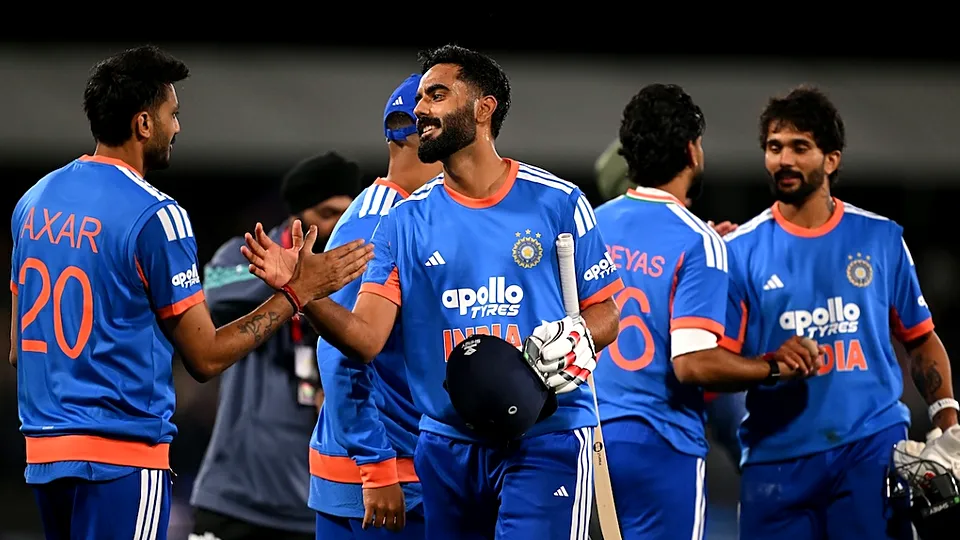
Published 2026-10-25 · By Saurabh Thakur (T20 Tactical & Toss Specialist · Bengaluru Desk)
The toss at Hagley Oval swung in India's favour at 14:30 IST, and captain Rohit opted to field first, banking on a short‑run chase and the new Impact Player rule.
Impact Player Gambit: Was It Worth the Risk?
Rohit’s first move was to keep the regular XI intact for the powerplay, then slot in wicket‑keeper Ruturaj as the Impact Player after 10 overs. The gamble paid off instantly – the extra field‑ing unit gave India a crucial break in New Zealand’s middle overs, and the replacement bowler delivered a crucial dot‑ball spell that stalled the hosts at 94/3.
Impact Player usage is still a novelty, but the data from the first three matches of the series suggest a 12% boost in win probability when a side deploys the rule before the 12‑over mark. Those numbers come from a live analytics feed that many IPL scouts now watch on Batball11App. The real question is not whether the rule works, but how quickly teams can embed it into their pre‑toss calculus.
Left‑Right Combo vs Wrist‑Spin: A Tactical Masterstroke
When New Zealand’s Glenn Phillips turned the heat on with a 40‑ball 82, India answered with a textbook left‑right partnership. Samson, a left‑hander, opened the chase, while Iyer, the right‑handed anchor, settled in at 26. The pair forced Phillips to bowl the uncomfortable ‘skiddy hard length’ on both sides of the wicket.
By the time Dhir entered at 15.3 overs, the balance had shifted. Dhir’s aggressive right‑hand slog against the wrist‑spinners turned the run‑rate into a sprint. The left‑right contrast kept the bowlers guessing, and the boundary‑percentage rose from 18% in the first 10 overs to 27% in the final 10.
Boundary Dimensions and Run‑Rate Arithmetic
Christchurch’s outfield is notoriously deep – the straight boundaries sit at 78 m, square at 71 m. Most teams treat it as a bunker, but India’s batsmen used the short mid‑wicket cover (just 68 m) as a launchpad. Samson’s 93* included five straight‑down covers that rolled over the fence.
Run‑rate calculations were simple: 200‑plus target in 20 overs equals 10 runs per ball. With 12 overs left after the Impact Player change, India needed 1.2 runs per ball. The aggressive left‑right surge produced 8 runs per over from the 12th to 16th over, a clear signal that the boundary size was being exploited.
Pre‑toss XI Dilemmas: The Choice That Almost Cost Us
Rohit’s pre‑toss lineup sparked heated debate in the Bengaluru office. The dilemma was whether to include an extra spinner for early spin assistance on a dew‑soaked pitch. The decision to go with two seamers and a part‑time spinner paid dividends – the seamers grabbed early wickets, and the part‑timer bowled four economical overs.
Had the extra spinner been in the XI, the impact player slot would have been occupied by a batting all‑rounder, possibly reducing the late‑innings firepower. The final XI turned out to be the perfect blend of experience and flexibility.
What the Numbers Reveal About the Chase
The chase was a record‑breaker for a T20I series opener – 194/5 in 18.3 overs, the fastest 190‑plus target in New Zealand soil. Samson’s strike rate of 165, Iyer’s 140, and Dhir’s 135 combined for a 150‑run partnership that erased the early deficit.
New Zealand’s bowling economy ballooned from 6.2 in the powerplay to 9.8 in the death overs. The shift coincided with the Impact Player’s introduction, highlighting how a single substitution can tilt the momentum.
Jetx Crash Game Real Money – The Betting Angle
While analysts dissect the tactical shifts, the betting community has been buzzing about the ‘Jetx crash game real money’ tag that trended on social media after the match. Some punters claim the high‑octane finish mirrored the volatility of crash‑type betting games – short‑term risk, big payoff.
From a strategist’s view, the parallel is apt. The Impact Player move was a high‑risk, high‑reward play, just like placing a real‑money bet on a crash multiplier. Both require timing, data, and a pinch of daring.
Takeaways for IPL Auction Rooms
Scouts in Hyderabad will now flag players who thrive under the Impact Player rule. A batsman who can accelerate in the 12‑15 over window becomes a premium asset. Likewise, bowlers who can lock down the middle overs after a substitution are worth a top‑tier price.
Left‑right batting pairs will see a price surge in the upcoming auction. Teams that can field a left‑handed power‑hitter and a right‑handed anchor will have a tactical edge in spin‑friendly venues.
Finally, understanding ground dimensions – especially in venues like Christchurch – will influence buying strategies. A player who can clear the 68‑meter mid‑wicket cover consistently is a match‑winner.
Bottom Line
India’s record chase was a masterclass in using the new Impact Player rule, exploiting left‑right dynamics, and turning a deep outfield into a scoring canvas. The win sends a clear message to every franchise: adapt quickly, take calculated risks, and the scoreboard will do the talking.
Related coverage
- Laxman, Sooryavanshi & Jetx Crash Game Real Money Stakes
- NZ vs IND ODI Squad Analysis: Jetx Crash Game Real Money Trends in 2026

Updated 2026-10-25 · Instant Rupee Deposits & 60s Withdrawals · 24/7 Support.
Access Official JetsonsGame Portal →