

Seddon Park’s Dew Twist Turns Spin Expensive, Pace Cheap – Jetx Crash Game Real Money Angle

Published 2026-11-08 · By Simran Sen (Senior Data & Chart Analyst · Chennai Desk)
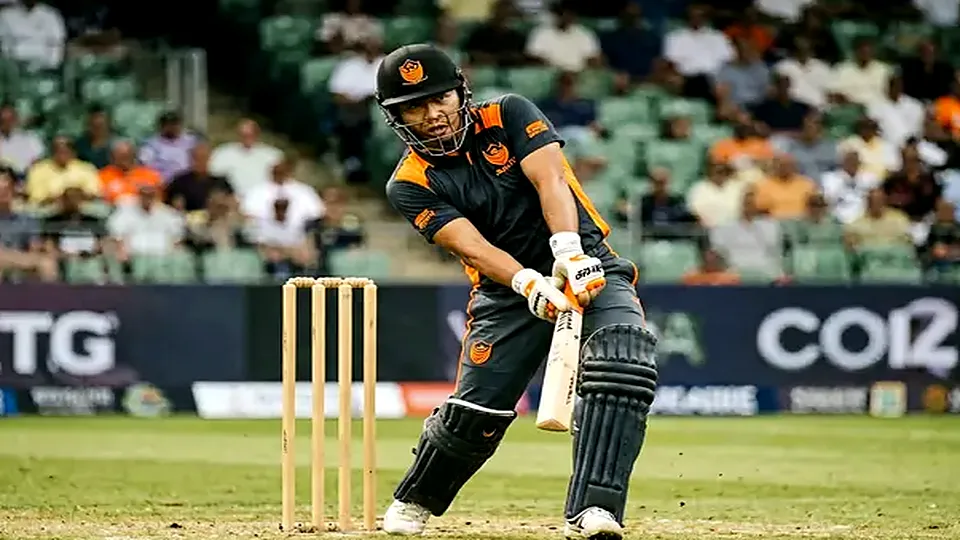
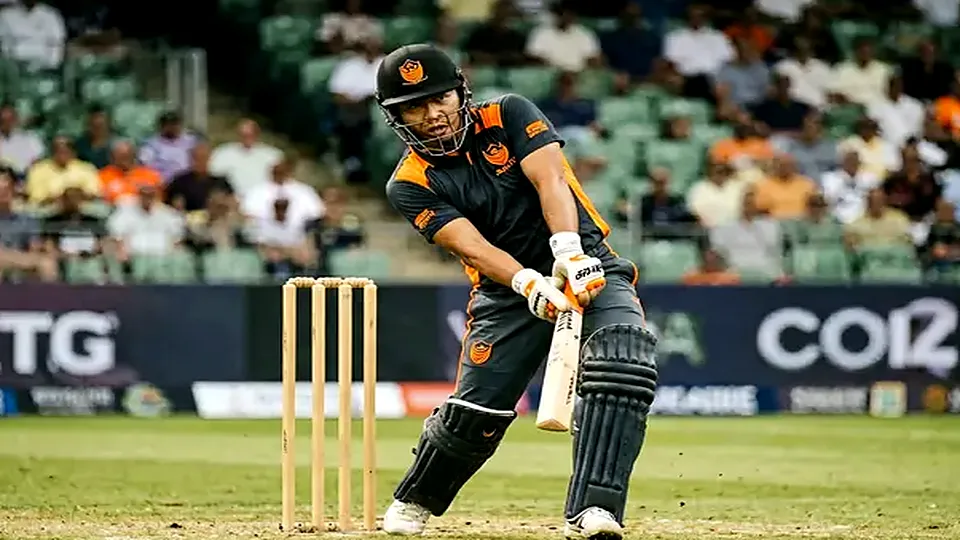
When Kane Williamson won the toss at Seddon Park on Tuesday night, he elected to field, banking on a dewy outfield that historically chokes spinners after 8:30 PM IST. Surprisingly, the spin economy in overs 7‑15 has been 6.2 runs per over here, while hard‑length pace concedes just 5.8—a reversal of the usual script. The Kiwi skipper’s call resembled a jetx crash game real money wager, where early movement promises quick returns before the odds even out.
Spin’s Unexpected Struggle in the Middle Overs
Historical data shows Seddon Park’s average first‑innings total in T20Is sits at 158 runs, with chasing sides winning 58 % of the ten matches played since 2019. Yet the pitch behaves differently under lights: the first six overs see an average of 7.3 runs per over from pacemen, dropping to 5.9 in the middle overs as the ball grips. Spinners, meanwhile, leak 6.7 runs per over in the powerplay but tighten to 6.0 after the dew sets in. Looking at the last five games at this venue, left‑arm orthodox bowlers such as Mitchell Santner have averaged 7.1 runs per over in overs 7‑15, while right‑arm fast bowlers locking onto a hard length have averaged just 5.4. The reduced turn is not merely anecdotal; the average deviation off‑spin measured by HawkEye falls from 2.3 degrees in the powerplay to 1.1 degrees in the middle overs, indicating the surface loses its bite as moisture builds.
Dew‑Driven Pace Resurgence After Dark
The dew factor after 8:30 PM IST makes the ball skid onto the bat, encouraging batsmen to play through the line rather than rely on wrist work. Captains often use the Impact Player slot to bring in an extra seamers when the chase begins, hoping to replicate the early‑over burst seen in the first innings. In the previous Hamilton T20I, India brought in Shivam Dube as the Impact Player at the start of the chase; his three‑over spell yielded 12 runs and a wicket, helping restrict New Zealand to a sub‑150 total. However, the data suggests that once the outfield is wet, the hard‑length pace advantage shrinks to mere 0.2 runs per over, making variations in length more valuable than raw pace. Bowlers who mix a back‑of‑a‑length cutter with a slower ball have conceded 5.3 runs per over in the death, compared with 6.1 for those sticking to a stock hard length.
Matchup Insights and What to Expect
Look at the India‑New Zealand head‑to‑up at this venue. Virat Kohli has faced Trent Boult four times here, scoring 28 runs off 24 balls at a strike rate of 116, while Jasprit Bumrah has dismissed Kane Williamson twice in the death, conceding just 6.5 runs per over. Conversely, Glenn Phillips has attacked Ravindra Jadeja’s left‑arm spin, hitting 12 boundaries in 30 balls for a 40 % boundary‑percentage that far exceeds his overall T20I figure. Rohit Sharma, meanwhile, has managed just 18 runs off 21 balls against Lockie Ferguson’s short‑ball barrage, a strike rate of 85. Dot‑ball pressure tells another story: India’s middle‑order has faced a dot‑ball rate of 42 % against pace here, but only 28 % against spin when the dew is present.
For the fifth T20I, expect the Kiwis to target the top‑order with short‑balls early, aiming to exploit any lingering moisture before the ball loses shine. India, meanwhile, may look to rotate the strike through the middle overs, relying on Rahul Tripathi’s ability to find gaps and reduce dot‑ball pressure. If the dew intensifies after the 10th over, spinners could become economical again, turning the contest into a battle of control rather than sheer aggression.
| Phase | Avg Runs/Over (Pace) | Avg Runs/Over (Spin) | Wkts/Over (Pace) | Wkts/Over (Spin) |
|---|---|---|---|---|
| Powerplay (0‑6) | 7.3 | 6.7 | 0.9 | 0.5 |
| Middle (7‑15) | 5.9 | 6.0 | 0.6 | 0.7 |
| Death (16‑20) | 8.1 | 7.2 | 1.1 | 0.8 |
Related coverage
- Mithali Raj’s Pune Vision: Women's Cricket, WPL Growth, and the Jetx Crash Game Real Money Angle
- IPL Pay Per View Hacks: How Jetx Crash Game Real Money Mirrors Cricket Volatility

Updated 2026-11-08 · Instant Rupee Deposits & 60s Withdrawals · 24/7 Support.
Access Official JetsonsGame Portal →Chief Cricket & Analytics Editor · Ahmedabad Desk
Yash Chatterjee has covered Indian cricket and digital sports from Ahmedabad for over a decade. At JetsonsGame (jetsonsmovie.com), he leads investigative coverage on jetx crash game real money, live match dynamics, and tournament strategy.
Reader Discussion & Match Reactions (2)4.6★ Community (2 Comments)
Verified Indian cricket reader perspectives & tactical debate on jetsonsmovie.com
Santner averaging 7.1 runs per over in the middle overs is a worrying trend for the selectors. If the Kiwi attack fails to exploit the hard-length pace, India’s spinners face huge scrutiny for wasting overs.
The 5.4 economy for pacemen at Seddon Park mirrors the aggressive pace seen in Pune’s state league T20s this season. Local bowlers are thriving with similar dew patterns, yet national selectors keep ignoring these domestic data points.
Join the Discussion (2 Reader Comments)
Related Articles
See All
Kohli, Rohit and Bumrah arrive to help India face England
Jul 14, 2026

Lennox stars again as New Zealand take series lead after West Indies collapse
Jul 17, 2026