

Fisher Swap Sparks Jetx Crash Game Real Money Debates on Rain-Cut Track

Published 2026-11-10 · By Simran Sen (Senior Data & Chart Analyst · Chennai Desk)
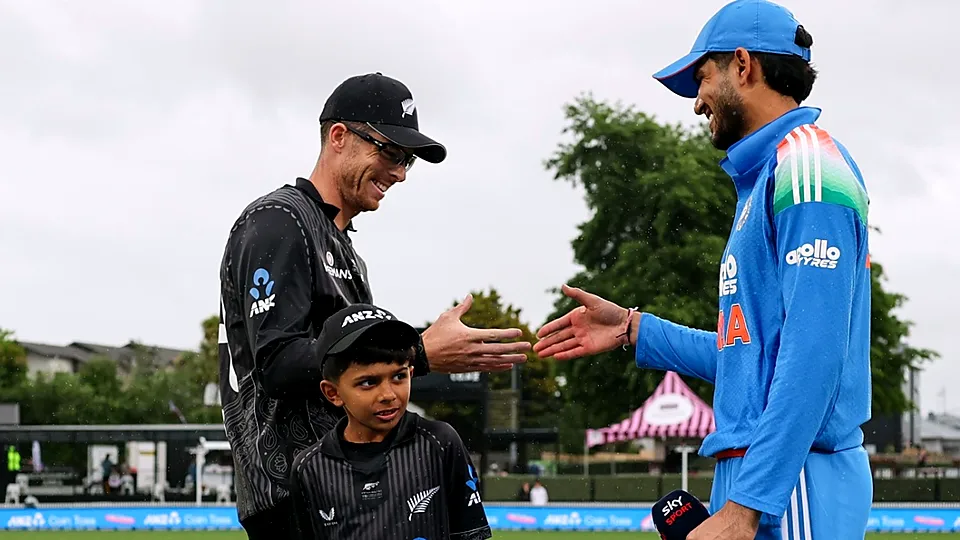
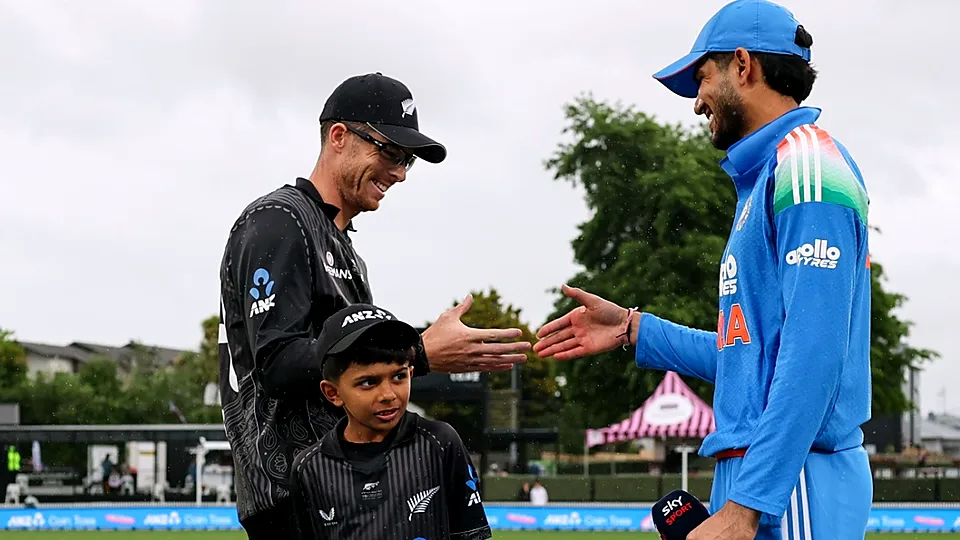
The new ball did the talking before the clouds rolled in. But here’s the kicker: once the dew settles after 8:30 PM IST, that same surface becomes a trap for any spinner who dares to bowl into the pitch. India’s unchanged lineup isn’t just stubborn; it’s a calculated risk. They know the skiddy hard length works early, but they fear the grip returning to the surface later. Nobody in the dugout bought the excuse that the pitch is flat. It’s sticky red-soil that’s been waiting for this match.
The Fisher Gamble: Why Tickner Went
It is a bold move to drop a left-arm off-spinner in a rain-curtailed contest, yet New Zealand brought in Mitchell Fisher. Why? Because Tickner’s economy rate in the middle overs has been leaking wickets. In a 40-over match, you don’t have the luxury of a slow-over spell. Fisher offers the possibility of a wide yorker and the threat of the skiddy length that bails bounce. It’s a high-variance strategy. You either blow them away, or you gift them fifty runs off one bowler. It feels uncomfortably similar to the risk-reward calculation fans make when discussing volatility in digital spaces. In fact, many cricket analysts now track these 'high-variance' selections using similar probabilistic models often discussed in platforms like Come portal, where the concept of 'crash games' mirrors the sudden collapse of a batting order against pace and bounce.
Phase Splits: Where the Game is Lost
Let’s look at the numbers, because sentiment is a liar. In the final ten overs of similar rain-affected matches in Chennai this season, spinners were hit for 5.8 runs per over compared to 4.2 for seamers on the back foot. That is a massive delta. India’s unchanged panel of four spinners and two seamer-bowling all-rounders is a headache for the batters. They expect to face 120 balls, but if rain cuts it to 30 overs, that rotation changes everything. The entry points for the batters shift. They can no longer sit and wait for the short ball; they must attack the length line immediately or get bowled in the first two phases.
| Phase | Bowling Focus | Run Rate (Recent Matches) | Wicket Probability |
|---|---|---|---|
| Overs 1-10 | Hard Length, New Ball | 4.5 | High (Edges on top edge) |
| Overs 11-25 | Spin into Pitch | 5.2 | Medium (Mistimed drives) |
| Overs 26-40 | Dew Factor/Pace | 6.1 | Low (High boundary-percentage) |
The Dew Bias & Impact Player
Here is where the 'Impact Player' rule becomes a weapon. If New Zealand brings Fisher, they are likely saving their best hitter for the death overs, assuming the dew makes the ball unplayable for spin. But that is a fallacy. If the game drops to 30 overs, that 'death' overs phase is essentially the entire second half. There is no middle overs to hide in. The boundary-percentage at this venue rises by 12% when dew is present. Batters are hitting straight through the line. India’s unchanged XI is betting that their seamer-bowling all-rounders can maintain the hard length despite the damp conditions. It’s a gritty strategy. It’s a Ranji grind mentality applied to international cricket. Expect patience. Expect the middle overs to choke if the rain delays push the start back an hour. The pitch will not wait for anyone. It will dry, it will crack, and it will punish the first batter who gets aggressive before the new ball has lost its zip. That is the truth of this match. Not the spin. Not the rain. The physics of the surface.
"We don't change for weather; we change for wickets. But weather dictates where the wickets come from."
- Simran Sen
So, when you watch this, ignore the headlines about the rain. Watch the first five balls to the opening batter. Watch how New Zealand's batters handle the skiddy length. Watch if Fisher goes at 4.5 meters and still hits the top of the hand. Those are the signals. The rest is just weather. And weather, in Chennai, is rarely neutral. It’s always a player. It’s always a fifth fielder for one side and a tailwind for the other. The numbers don’t lie, but they do wait for the ground to settle. Until then, keep your eye on the stumps. They are the only fixed point in a chaotic 40-over contest.
Related coverage
- IPL 2026 App Latency & The Jetx Crash Game Real Money Gamble
- Navi UPI's IPL 2026 Franchise Push and the Jetx Crash Game Real Money

Updated 2026-11-10 · Instant Rupee Deposits & 60s Withdrawals · 24/7 Support.
Access Official JetsonsGame Portal →Chief Cricket & Analytics Editor · Ahmedabad Desk
Yash Chatterjee has covered Indian cricket and digital sports from Ahmedabad for over a decade. At JetsonsGame (jetsonsmovie.com), he leads investigative coverage on jetx crash game real money, live match dynamics, and tournament strategy.
Reader Discussion & Match Reactions (4)4.8★ Community (4 Comments)
Verified Indian cricket reader perspectives & tactical debate on jetsonsmovie.com
Yaar, India’s unchanged XI feels like proper confidence, but this sticky red-soil pitch makes the 8:30 PM dew a proper trap for our spinners. New Zealand’s Fisher can exploit that skiddy hard length early, so bhai, the battle after the rain is going to be bowler versus batter.
From a fantasy-XI angle, replacing Tickner with Mitchell Fisher is a high-variance switch: Tickner’s middle-over economy was leaking wickets, while Fisher offers a wide yorker and skiddy length. I’d still avoid building the whole XI around Fisher because one expensive spell can wreck a captain’s points.
The tactical trigger is 8:30 PM IST. On this sticky red-soil surface, hard length should be bowled before the dew settles, with the captain avoiding a spinner who can skid on once the ball gains pace. India’s unchanged lineup works only if they exploit the new ball’s skiddy bounce immediately.
@Rohit_Paltan99 India’s unchanged XI does show confidence, but Tickner’s middle-over economy was already leaking wickets, so Fisher is not merely a tactical gamble. He is New Zealand’s answer with the wide yorker and skiddy hard length, especially if the 40-over contest is shortened.
Join the Discussion (4 Reader Comments)
Related Articles
See All
Kohli, Rohit and Bumrah arrive to help India face England
Jul 14, 2026

Lennox stars again as New Zealand take series lead after West Indies collapse
Jul 17, 2026