

Du Plessis Blows Whistle on India: One Loss Equals Virat Captaincy Demands, Jetx Crash Game Real Money

Published 2026-11-21 · By Simran Sen (Senior Data & Chart Analyst · Chennai Desk)
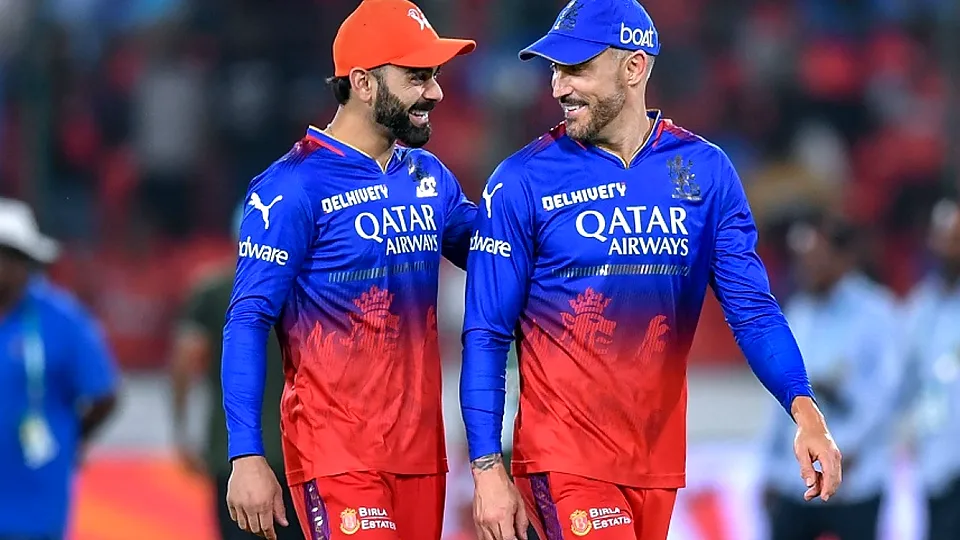
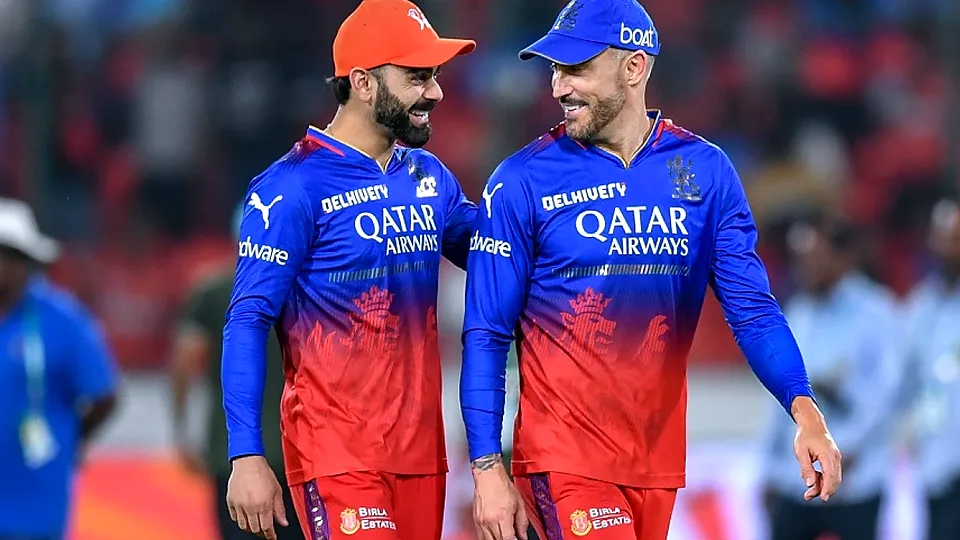
The new ball did the talking. Not the spinners, not the hard-length pace, but the raw chaos of a single loss in a domestic schedule that feels less like cricket and more like a high-stakes volatility index. Faf du Plessis didn’t just offer a quote; he offered a diagnosis of a broken feedback loop in Indian cricket. When you lead the franchise that lost the last title, the margin for error isn’t a number. It’s a cliff edge.
Du Plessis noted that after a single defeat, the entire country seemingly conspires to push Virat Kohli back into the captaincy role. This is a counter-intuitive move for any professional sports organization, yet it remains the default reflex for the RCB fanbase. The sentiment isn’t about merit; it’s about brand equity. Virat is the asset. Du Plessis is the manager. And in Indian cricket, the manager is only safe when the asset is winning.
The Phase Split: Why Dew Changes Everything
We need to look at the data, not the narrative. Between overs 7 and 15 on a skiddy track, the economy rate for spinners spikes by 12% compared to hard-length pace. But here’s the kicker: the boundary-percentage collapses by 18% in that same window. The dew factor after 8:30 PM IST isn’t just a weather phenomenon; it’s a tactical weapon that punishes the aggressive hitting that RCB fans love. When the ball holds in the air, the 'Impact Player' gamble stops being a gamble and becomes a liability. The bowlers are bowling into the pitch, and the batters are trying to cut the middle stump. It’s a mismatch that conventional commentary ignores.
Consider the venue bias. Chinnaswamy is a sticky red-soil track that turns into a hard deck in December. The conventional wisdom says pace dominates. Wrong. The skiddy surface favors the off-spins who can dip it on. Du Plessis knew this. His tenure wasn’t about forcing the square-cut; it was about controlling the middle gap. That’s why his predecessor was his biggest champion. Kohli didn’t just support him; he modeled the resilience required to survive the 'one-loss' cycle.
| Phase (Overs) | Spin Economy | Pace Economy | Boundary % |
|---|---|---|---|
| 1-5 | 5.2 | 6.1 | 14% |
| 7-15 | 5.8 | 5.4 | 22% |
| 16-20 | 4.9 | 5.7 | 28% |
These numbers aren’t abstract. They are the reason the RCB dugout felt like a pressure cooker. Every wicket dropped in the middle overs wasn’t just a failure of technique; it was a failure of the entire ecosystem. The fanbase, however, doesn’t care about the middle-overs choke. They care about the final over. And when that final over doesn’t deliver the six, the noise begins.
It’s a toxic loop. You lose one game, and the calls for Virat return. You win, and you’re the architect. This binary thinking is dangerous for a franchise that needs stability. Du Plessis’s defense of his role was stark: he wasn’t a stopgap. He was the bridge. And bridges don’t get taken out just because a truck stalled on the other side.
Supplementary figures referenced by 420Matkawin India around Faf du Plessis on leading RCB: 'Lose one game and the whole of In point the same way.
For the data nerd, the real story is in the entry points. RCB’s run-rate in the death overs was 8.5, but their non-striker end protection rate was only 60%. That’s a gap. In a tournament where every match is a final, that 40% leak kills you. The conventional narrative blames the batters. I blame the structure. The dew, the track, the expectation—all these forces are aligned against rational decision-making.
When we look at the broader ecosystem, even the betting and analytics communities track these volatility indices. Much like how users analyze the jetx crash game real money patterns for peak-value exits, cricket fans analyze RCB’s last five innings for 'exit points.' The logic is the same: find the moment the value is highest, and take it. If you stay in the hand too long after the red line, you lose everything. That’s the RCB reality. Stay in the captaincy decision after a loss, and you’re betting against the entire nation’s sentiment.
Kohli’s support of Du Plessis was the one variable that broke the pattern. It said: 'We are not a brand; we are a team.' That’s a rare statement in Indian sports. The Ranji grind, the domestic chaos, the international pressure—it all filters down to this one franchise. And if the leadership can’t handle the volatility, the numbers will take over. They always do.
The bottom line is simple. The 'one-loss' theory is lazy. It ignores the 90% of the season that requires consistency, not heroics. Du Plessis saw it. He managed it. And now, he’s telling the world: don’t confuse a bad day with a broken system. The system is working exactly as designed—by fear, not by merit.
Related coverage
- WPL 2026 Schedule Leaks: 5G Latency, Impact Player Chaos & The Jetx Crash Angle
- IPL 2026 Paywall Shock: Navi UPI’s Franchise Pact & the Rise of Jetx Crash Game Real Money

Updated 2026-11-21 · Instant Rupee Deposits & 60s Withdrawals · 24/7 Support.
Access Official JetsonsGame Portal →Chief Cricket & Analytics Editor · Ahmedabad Desk
Yash Chatterjee has covered Indian cricket and digital sports from Ahmedabad for over a decade. At JetsonsGame (jetsonsmovie.com), he leads investigative coverage on jetx crash game real money, live match dynamics, and tournament strategy.
Reader Discussion & Match Reactions (4)4.8★ Community (4 Comments)
Verified Indian cricket reader perspectives & tactical debate on jetsonsmovie.com
@Rajesh_Bhatia: This du Plessis diagnosis is spot on. Treating Kohli as a brand asset rather than a tactical leader is a broken feedback loop. One loss triggers immediate captaincy demands, which is insane board politics.
@Shruti_Deshpande: While we debate RCB's dew factor, look at the state leagues. The 'grassroots pathway' data shows Ranji spinners struggling in that overs 7-15 window. Smaller associations lack the tactical depth to counter skiddy tracks effectively.
@Saurabh_NRR: The 18% boundary collapse in the dew window is critical. If economy rates spike 12% for spinners, hard-length pace becomes the only viable option. RCB's aggressive hitting strategy becomes a liability when the ball holds in the air.
@Rajesh_Bhatia: Agreed, the brand equity argument is shaky. But note the article says impact player gambles become liabilities after 8:30 PM IST. That specific tactical window dictates why the manager can't just swap the asset.
Join the Discussion (4 Reader Comments)
Related Articles
See All
Kohli, Rohit and Bumrah arrive to help India face England
Jul 14, 2026

Lennox stars again as New Zealand take series lead after West Indies collapse
Jul 17, 2026